
A new chapter for
Helsinki City Museum’s
customer spaces
- SCOPE
- City of Helsinki
- 280 m²
- Service environment
- Co-creation
- Spatial design
- Graphic design
With a history spanning over one hundred years, the Helsinki City Museum has found its way into the hearts of visitors. To ensure that the museum remains relevant in the future, the customer spaces were renovated in cooperation with the staff, based on feedback from customers. We were responsible for the interior architecture and graphic identity of four very different customer spaces.
An urban,
authentic
museum
of Helsinki
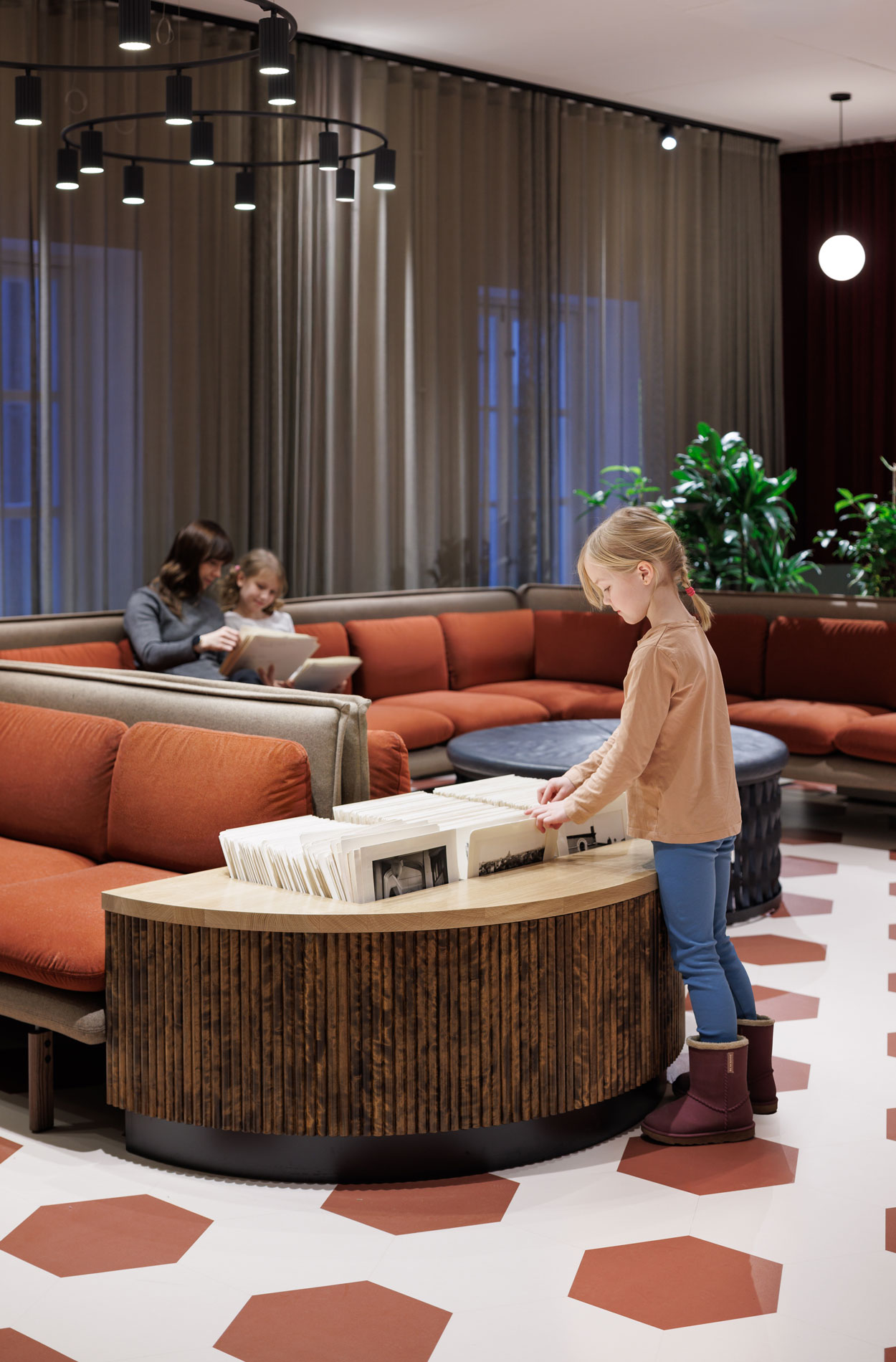
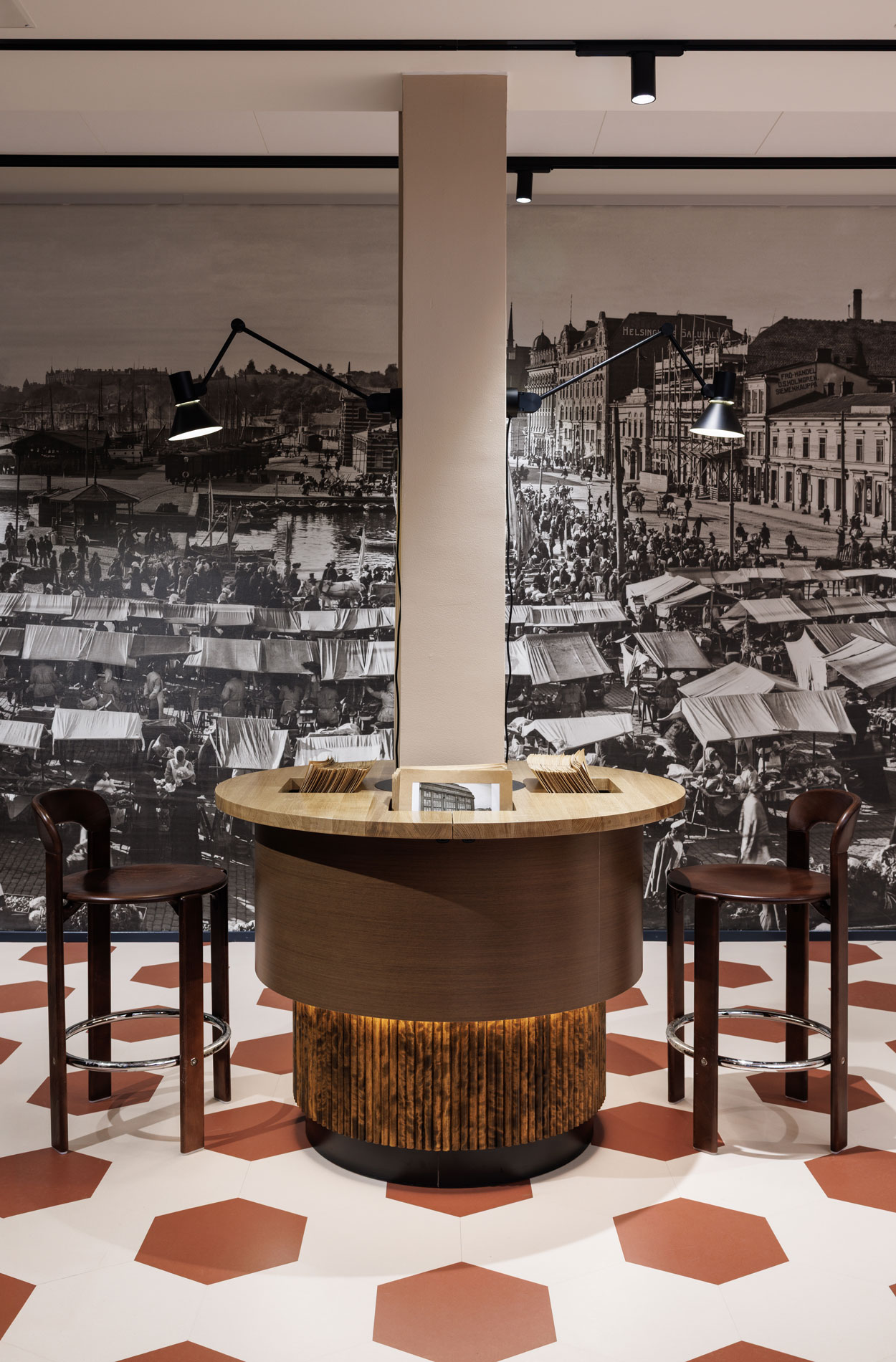
The Picture Browsery brings a piece of old Helsinki to everyone’s attention in the hazy style of the 1920s. The idea behind the interior design is that, as you browse through the black and white photographs, you can truly immerse yourself in the spirit of the time period.
Dive in – read the full project story
An even more impressive museum experience
Founded in 1911, the Helsinki City Museum is one of the most popular museums in Finland. Located next to Senate Square, the museum attracts more than 300,000 visitors each year. The museum is frequently visited by daycare and school groups, tourists and people interested in Helsinki’s history in general.
The Aleksanterinkatu unit of the Helsinki City Museum has been open for nearly 10 years. The renovation of the Kasari meeting room, the children’s changing room, the Picture Browsery and the Falkman wing is related to the ongoing more extensive renovation project.
“We are a popular museum and want to keep a high standard. In addition to making changes to the spaces, we’re making the experience even smoother for our customers as well as planning new exhibition content,” says Jari Harju, Head of Audience Services at the Helsinki City Museum.
The starting point for the renewal of the City Museum’s customer spaces was a more seamless user experience and the provision of authentic Helsinki experiences through different spatial themes.
The design drivers were specified together with the project group:
- Functional spaces for different user groups
- An authentic Helsinki museum experience
- Four unique customer spaces
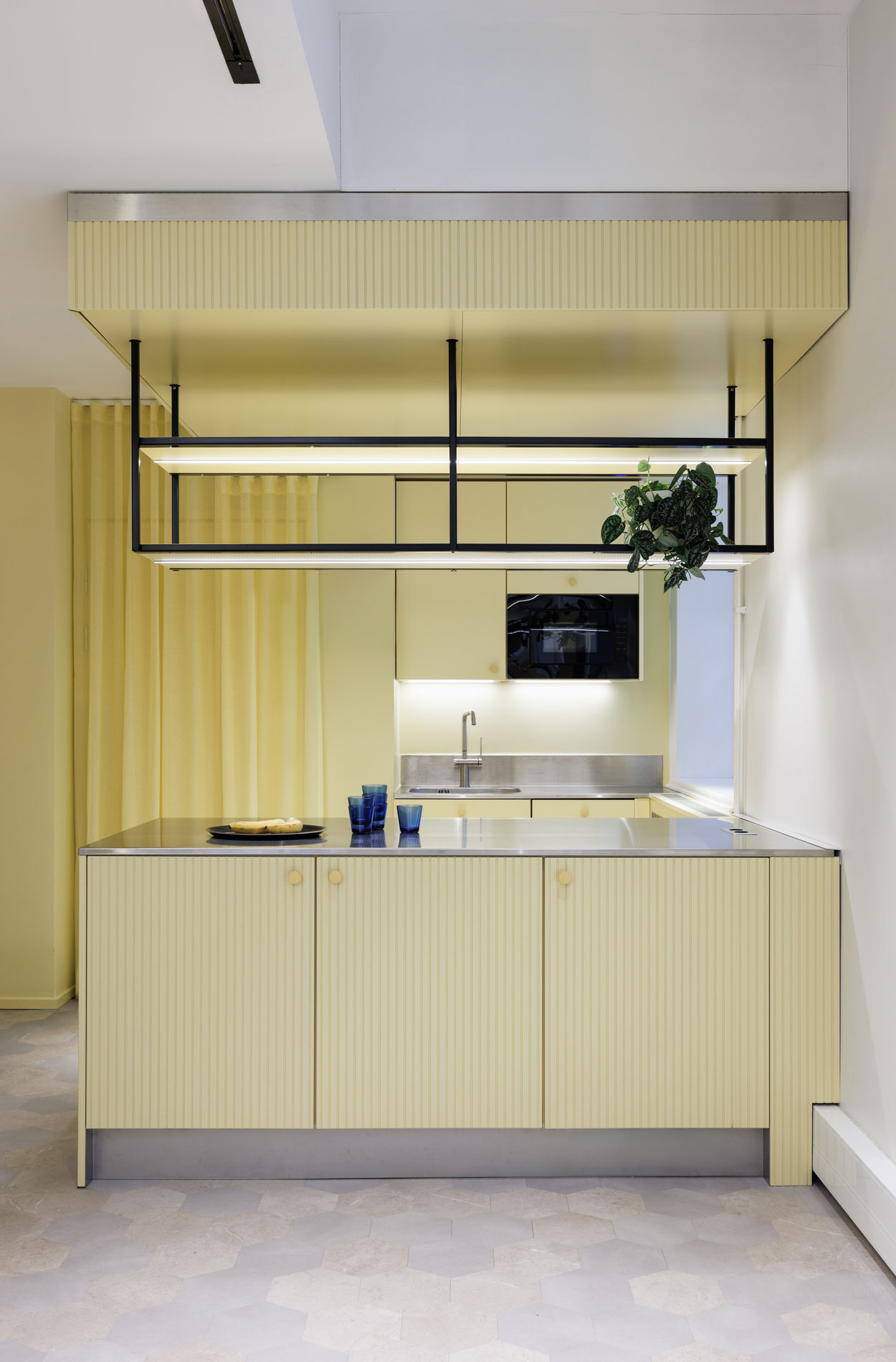
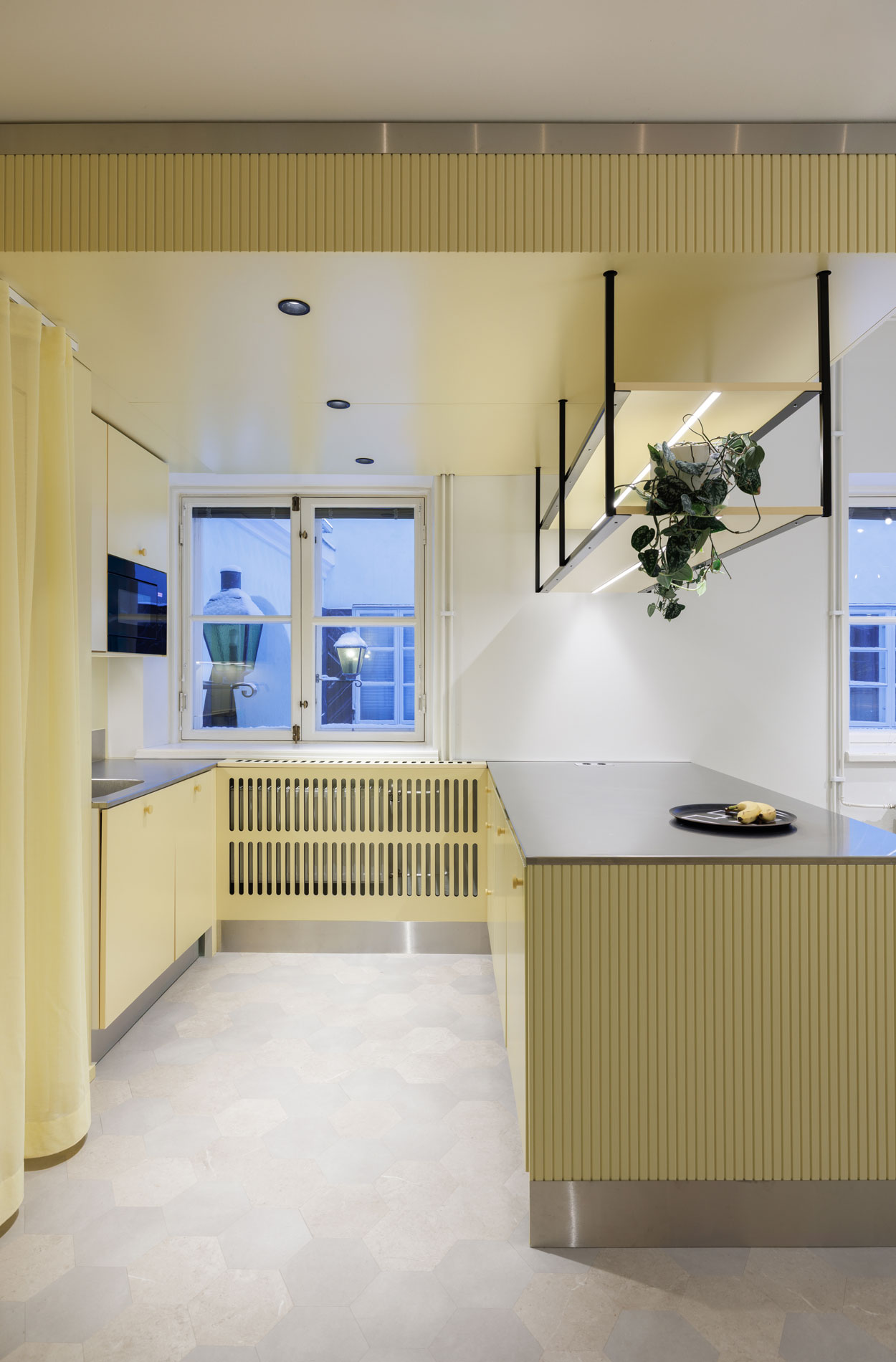
The Falkman wing represents the lush parks of Helsinki and the city’s canopy kiosks from the 1930s. The wing’s spaces, including a kitchen, are naturally connected to the courtyard and available for everyone to book. Lots of events, such as workshops, children’s parties and other events are held in the Falkman wing.
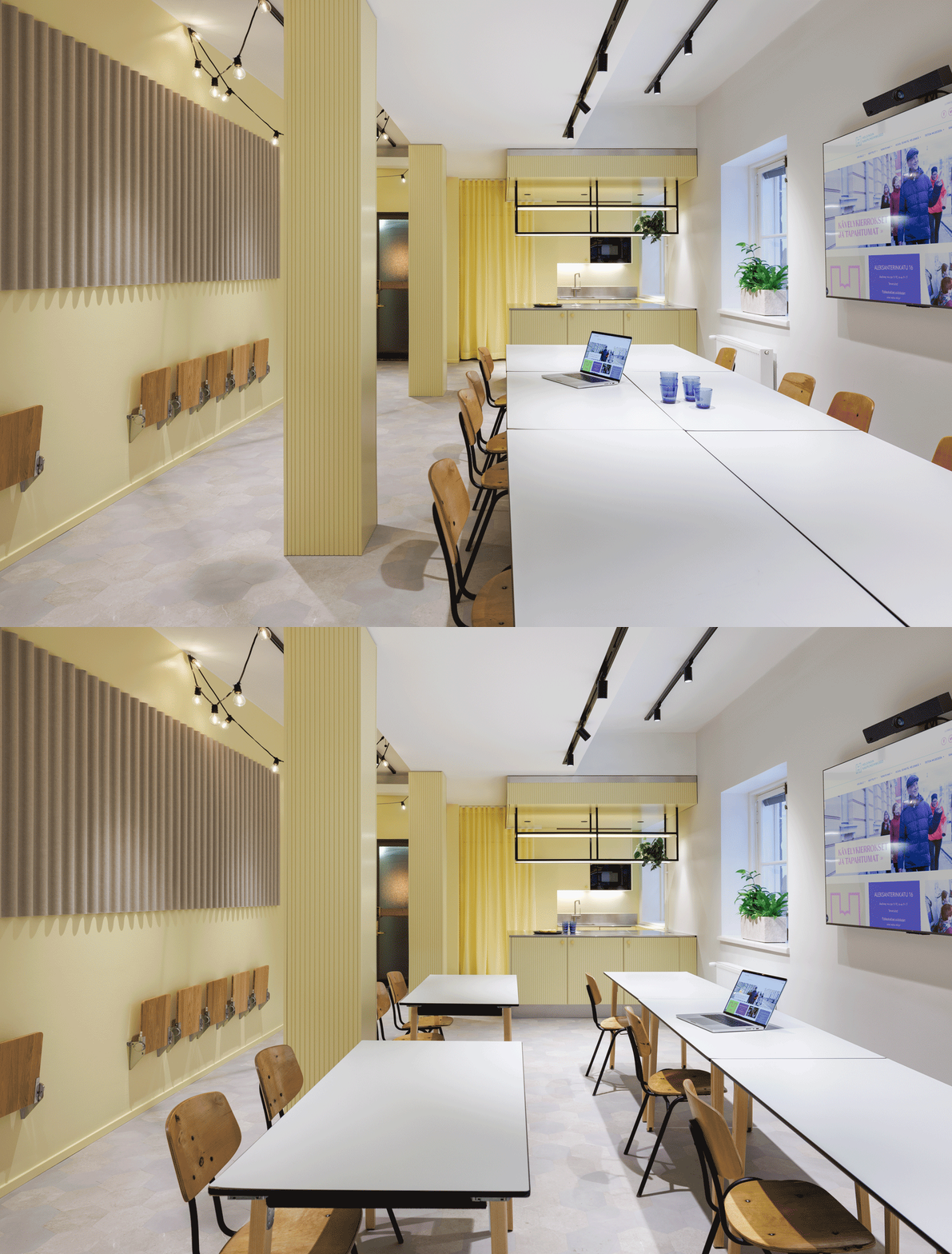
Feedback from customers and staff, as well as insights from site visits, interviews and workshops, were used in the design of the premises. The museum’s key personnel and project group were closely involved in the design.
“The cooperation has been very conversational and open. You came up with ideas that we wouldn’t have thought of. On the other hand, our unfinished ideas were picked up and developed further as well. It’s been nice working with you: you’ve been quick to respond, and the client has felt that they’re more than just one job among many,” says Jari.
“The cooperation was relaxed but well planned. The schedule was good, and you listened to our wishes and views. In particular, bringing inspiration into the design process worked – with the help of illustrated ideas and material models, we were able to imagine what the spaces could be like,” says Carola Wikström-Lever, Sales Manager at the City Museum.
The Helsinki City Museum records the lives of Helsinki residents
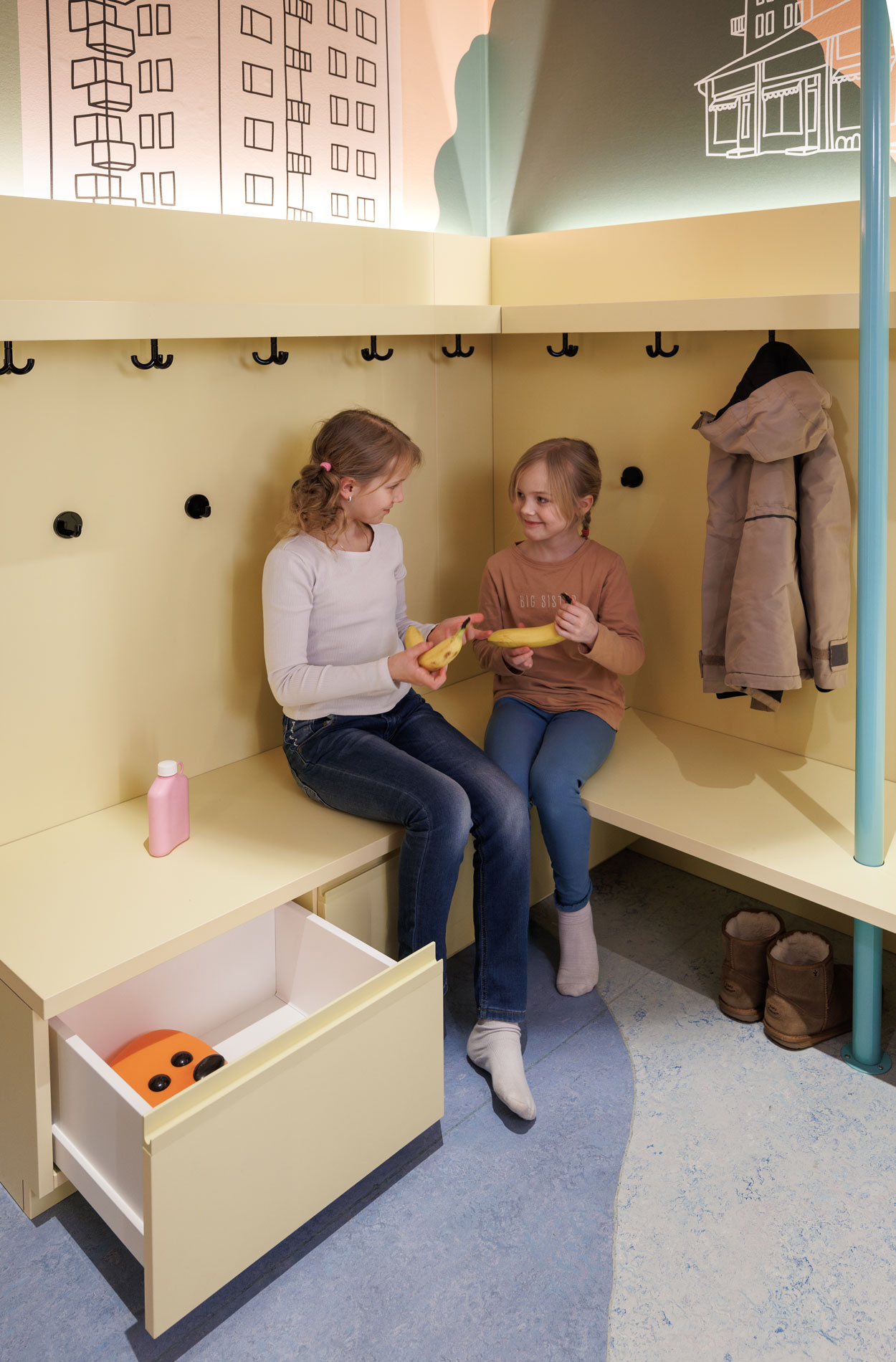
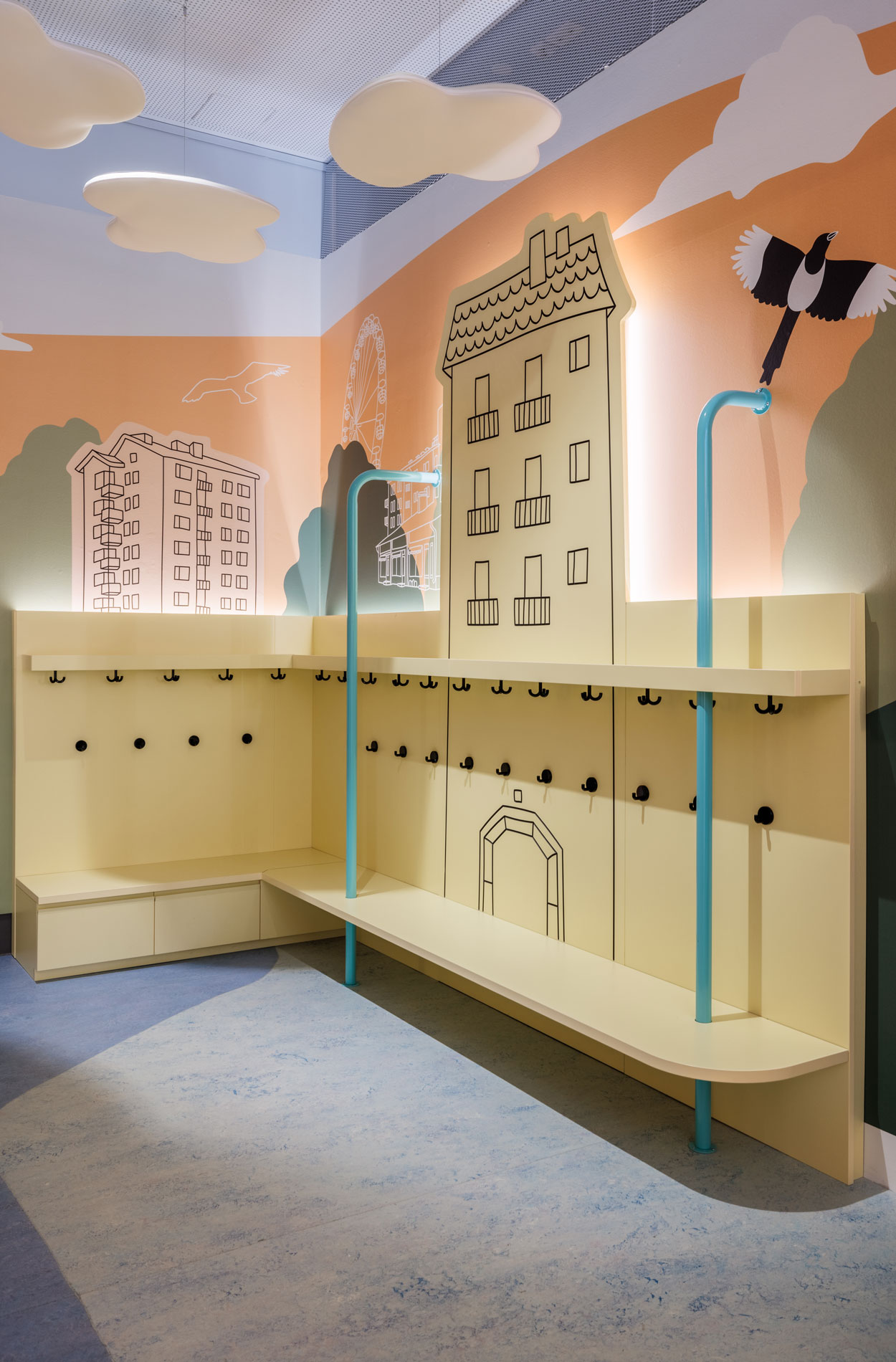
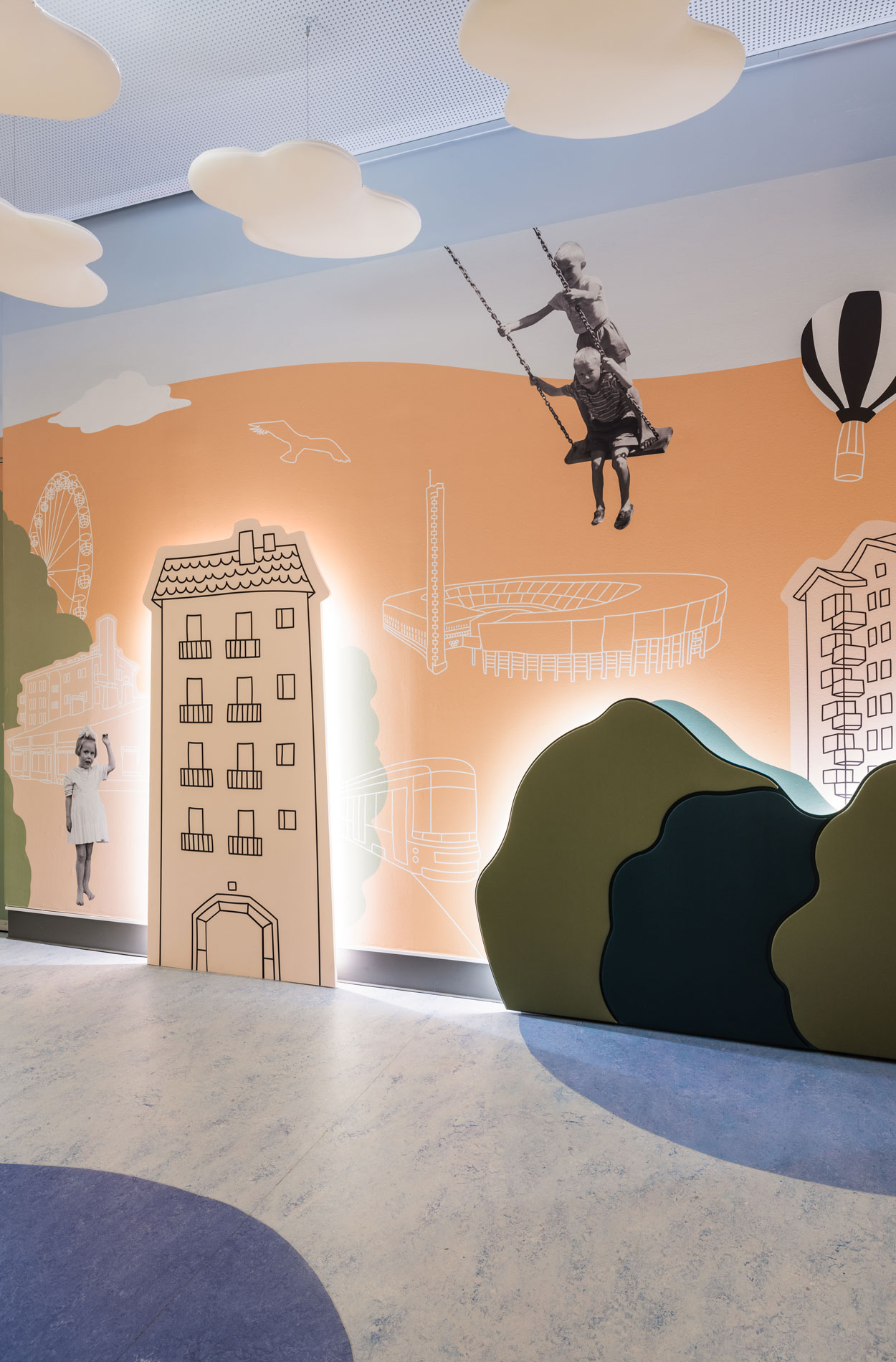
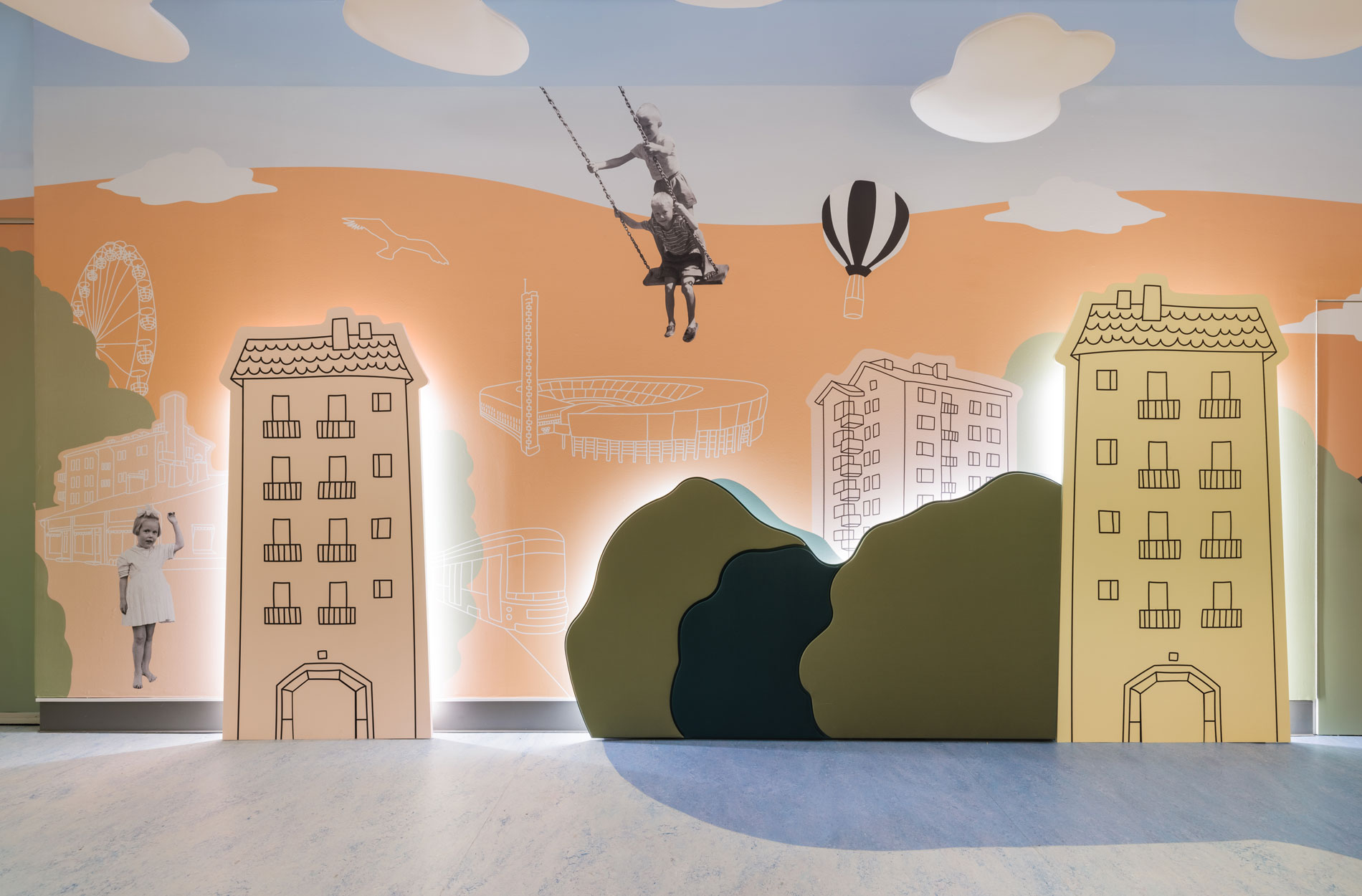
The former “Time Machine” exhibition space was repurposed as a children’s changing room and storage space. The wall illustrations include everyday things familiar to children in Helsinki. The look of the space is linked to the museum’s Children’s Town exhibition.
Each space conveys a piece
of Helsinki’s history
The joint design process resulted in more functional customer spaces that convey an authentic Helsinki experience. The most suitable theme was found for each space, taking into account the different user groups, the stages of Helsinki’s history and the museum’s architecture.
The themes selected were the Kasari meeting room, which reflects the ’80s, a changing room whose design was based on how children experience the world, the casually inviting Picture Browsery and Falkman wing, inspired by the canopy kiosk culture.
“We designed four distinctive spaces that still function as natural parts of the same museum experience. The selected themes were crafted together with the museum staff. Instead of taking shortcuts and being satisfied with what we came up with first, we worked together to develop the best interior design concepts for each space,” says Sari Grundström, Lead Designer at Rune & Berg Design.
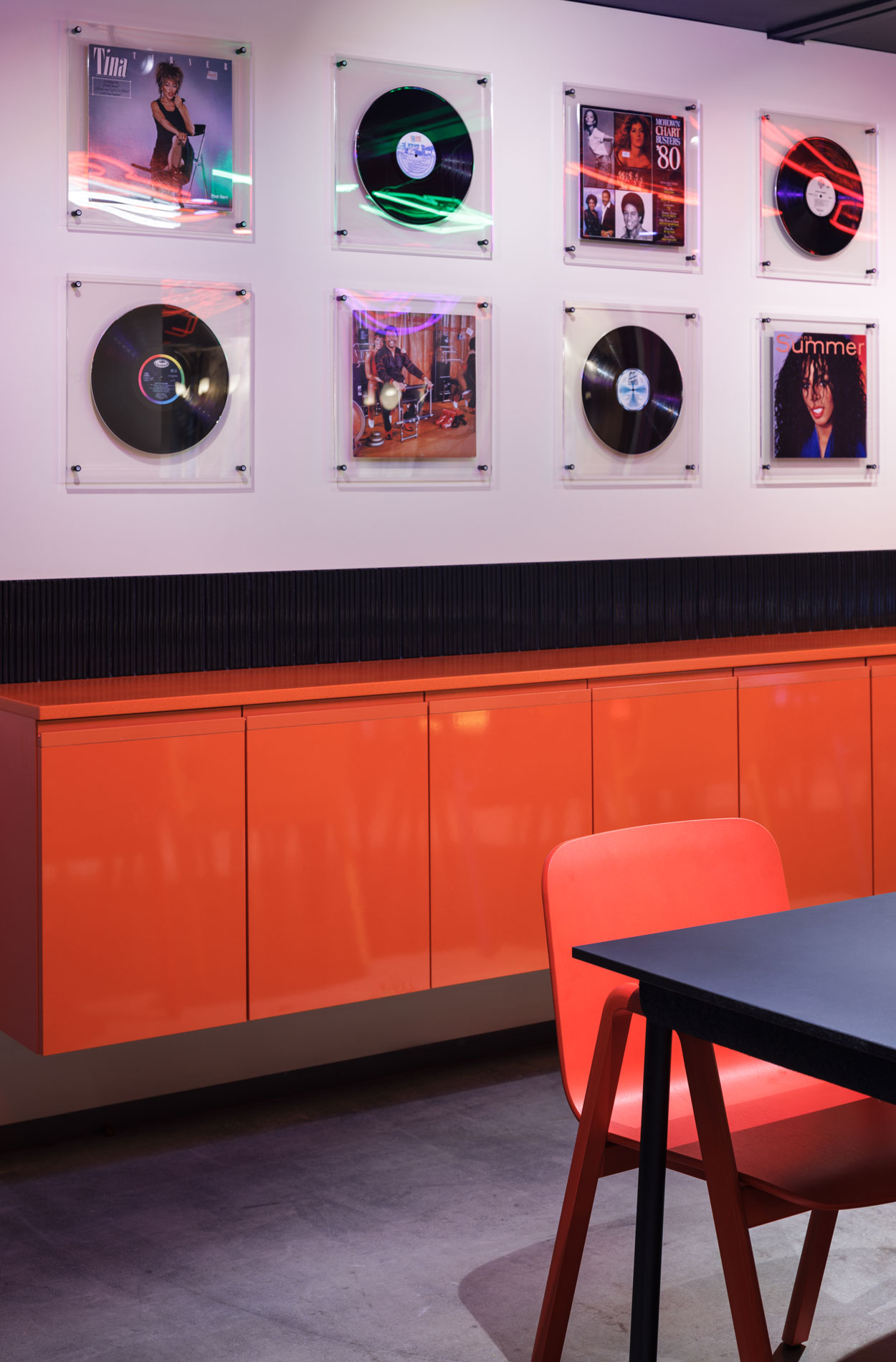
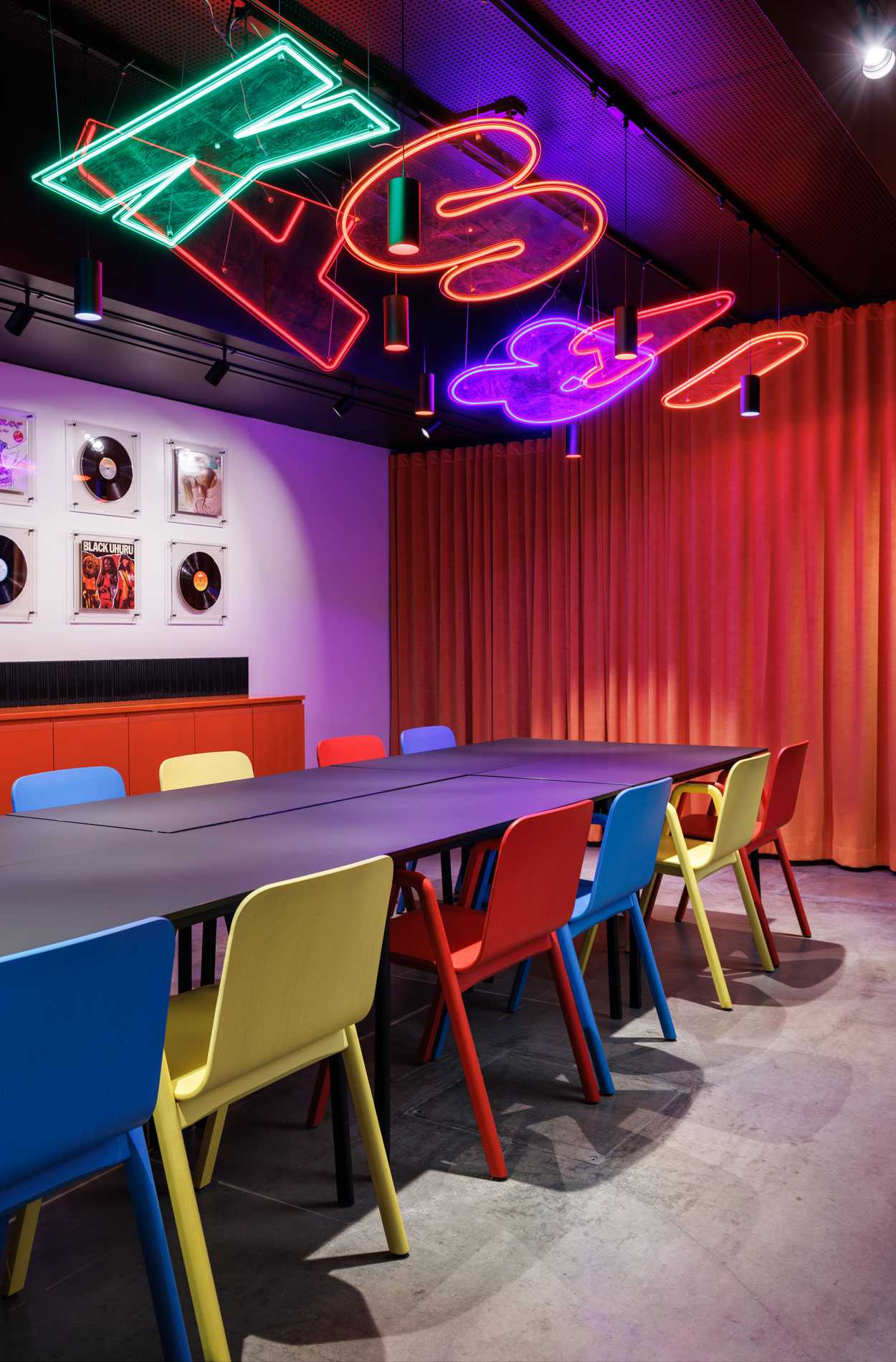
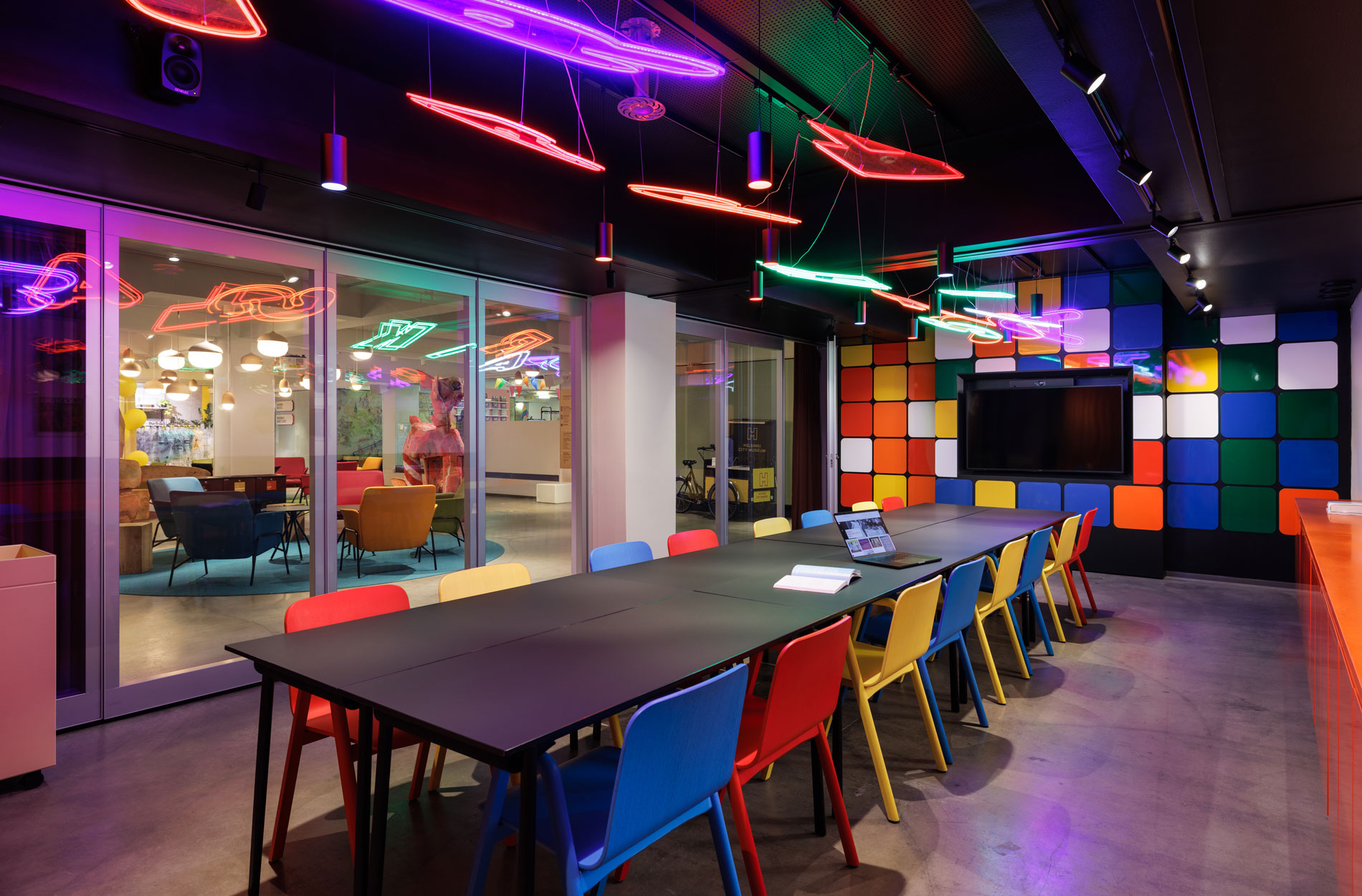
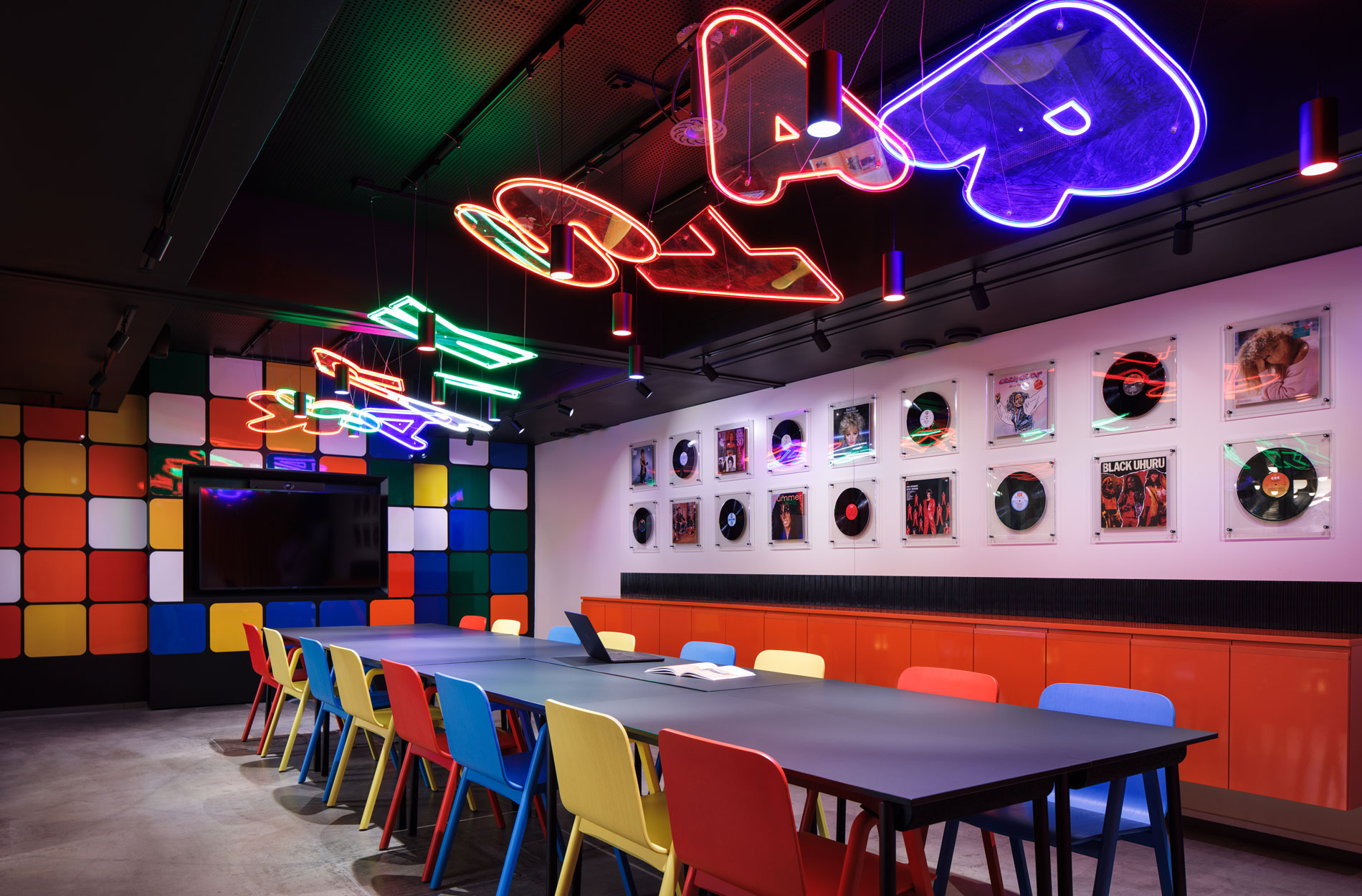
The Kasari meeting room’s ’80s theme was retained, as the decade has proven to be important, both in its name and style, over the years. The meeting room features a Rubik’s Cube, the arrival of the metro and a world of music. The illuminated display art piece was designed by Kimmo Karjunen, University Lecturer, Lighting Design at the Theatre Academy.
A popular renewal worth
experiencing (firsthand)
The interior design of the customer spaces was updated in terms of functionality, surfaces, movable and fixed furniture and lighting. The historical artefacts and wall illustrations drawn for the museum add a finishing touch to the experience. The renovated spaces have received positive feedback from visitors and have been in frequent use.
“The Kasari meeting room turned out very colourful and unique in a good way. It’s been popular for both meetings and birthdays. Even the previously less popular days, such as Monday afternoons, have been booked. The changing room also works and looks great. I’ve heard nothing but positive things about it,” says Carola.
“The implemented spaces correspond to the desired style and atmosphere. Not only do they look good, but they are also functional. In terms of the experience, the spaces are even more impressive in person than in the pictures,” says Jari.
Photos and video: Mikael Pettersson